

Your cart
There are no more items in your cart

 801 501 521
Uprzejmie informujemy, że w związku z wyjątkowo dużą liczbą zamówień, czas realizacji może być dłuższy niż zwykle. Dziękujemy za cierpliwość i zaufanie!
Uprzejmie informujemy, że w związku z wyjątkowo dużą liczbą zamówień, czas realizacji może być dłuższy niż zwykle. Dziękujemy za cierpliwość i zaufanie!
The coin is sold without a certificate of authenticity.
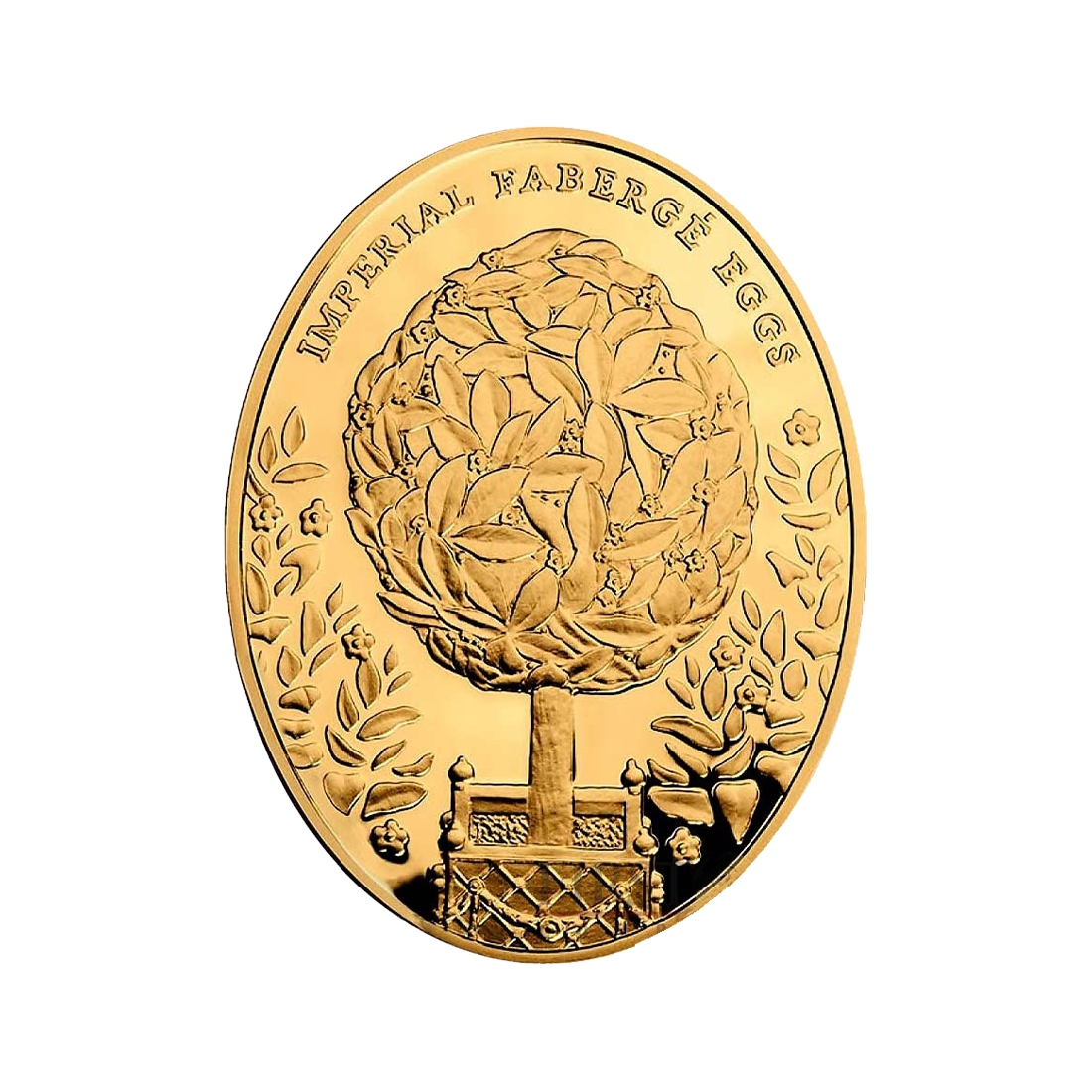
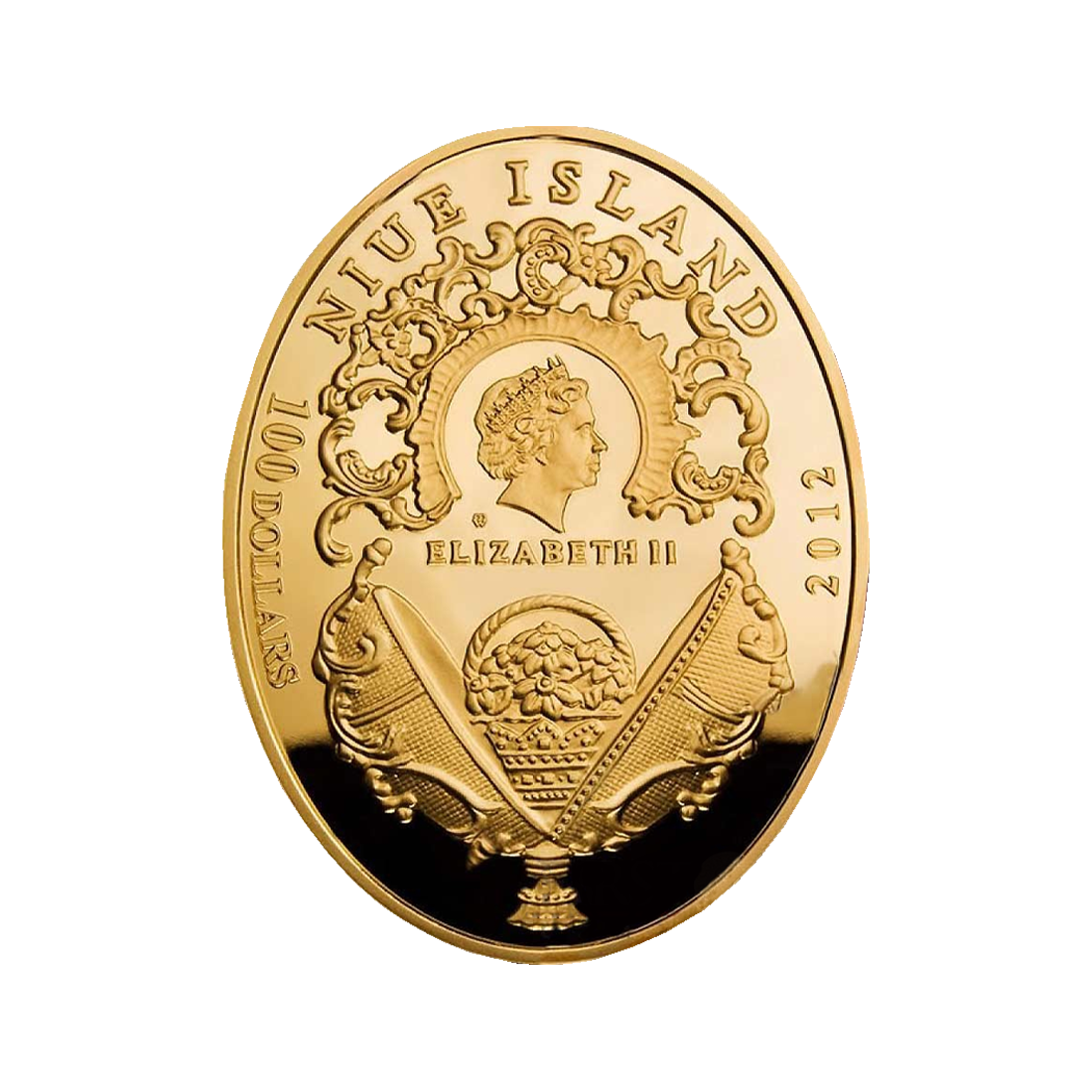
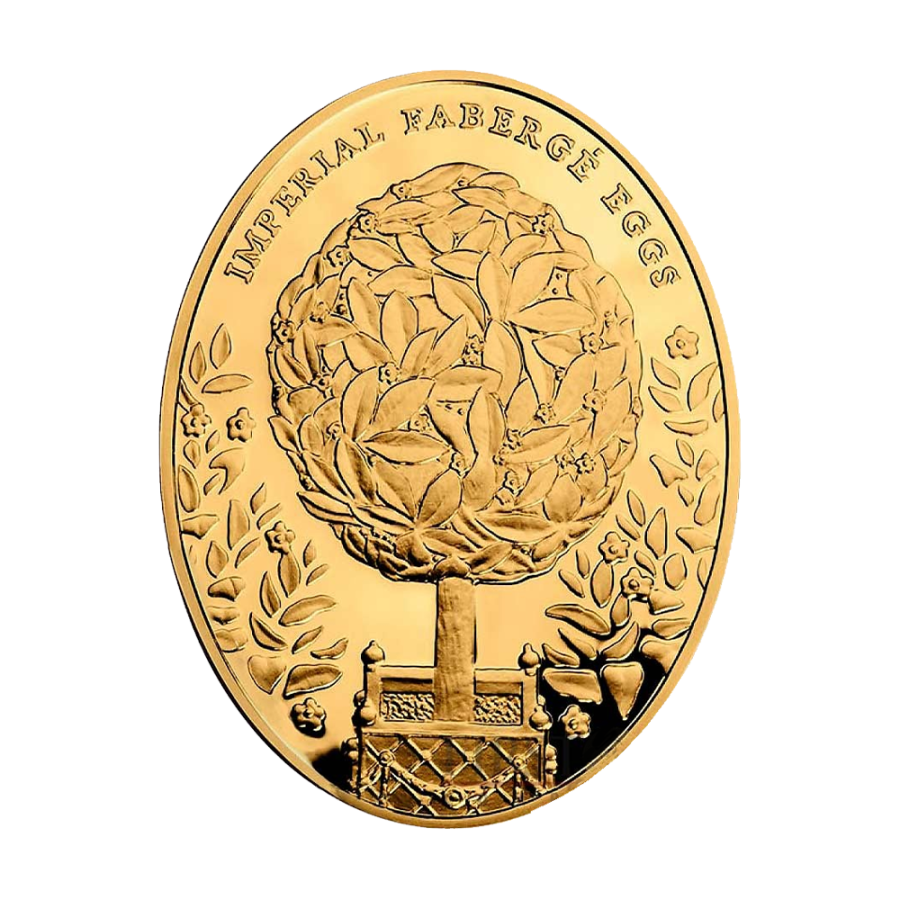
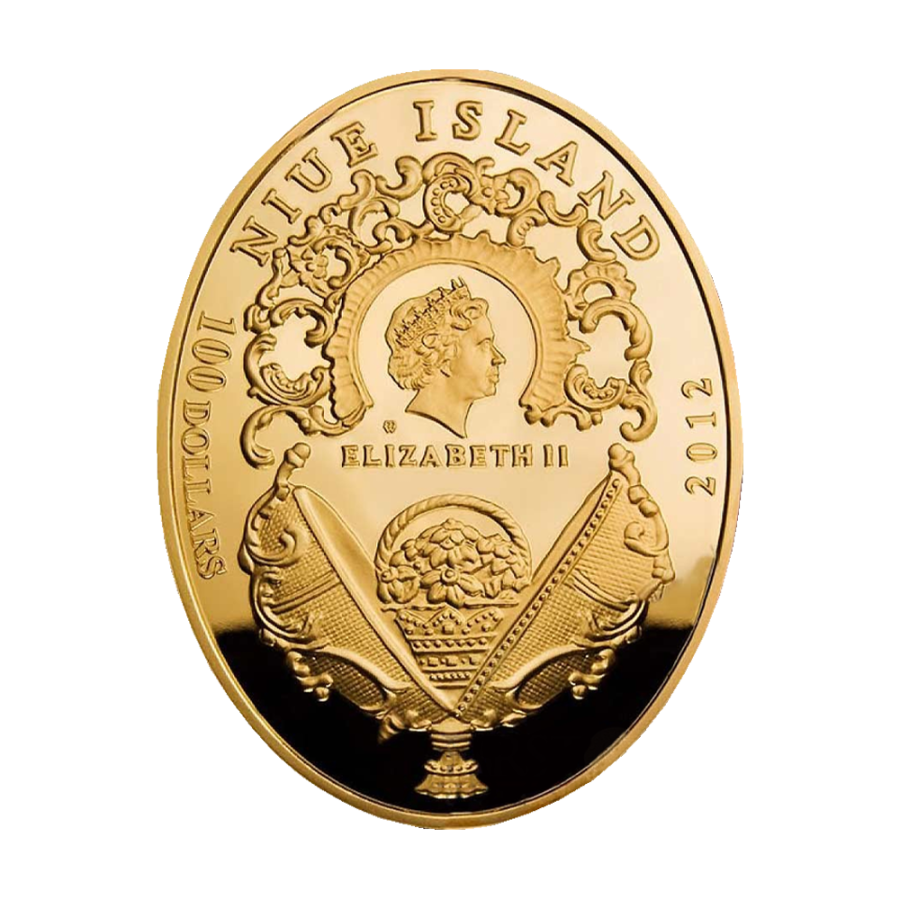
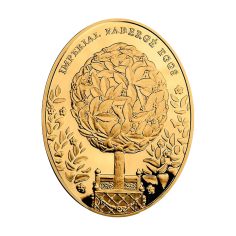
We present the gold edition of the popular "Imperial Fabergé Eggs" series. The "Laurel Tree" Egg is the sixth coin in this collection. A low mintage and unique design make this numismatic item very attractive to collectors.
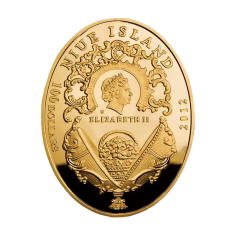
This is a 3-ounce coin minted in 900 fine gold, featuring a unique elliptical shape in a style typical of the 19th century. On one side of the coin, you will find the portrait of Queen Elizabeth II and an open Fabergé Egg, while on the other side, the Fabergé Egg in all its glory along with the inscription: Imperial Fabergé Eggs.
Fabergé Eggs, known as Imperial Eggs, were created in the workshop of the court jeweler to Tsar Alexander III. Each one was made to order for the ruler. The first piece was created in 1885 as an Easter gift for the Tsar's wife, Maria Feodorovna Romanova. Every year, Peter Carl Fabergé received an order to make another egg, using gold, mother-of-pearl, silver, enamel, precious stones, and ivory for its creation. Interestingly, each egg contained a surprise. After the death of Alexander III, his son Nicholas II continued the tradition of ordering eggs.
The most expensive egg in the world, as well as the highest-valued piece of goldsmith art, is considered to be the Fabergé Coronation Egg, made in 1897 for Tsar Nicholas II, who gave it as a gift to his newlywed wife, Tsarina Alexandra Feodorovna. Its appearance and style refer to the imperial coronation of Nicholas II, which took place in May 1896.