

Your cart
There are no more items in your cart

 801 501 521
Uprzejmie informujemy, że w związku z wyjątkowo dużą liczbą zamówień, czas realizacji może być dłuższy niż zwykle. Dziękujemy za cierpliwość i zaufanie!
Uprzejmie informujemy, że w związku z wyjątkowo dużą liczbą zamówień, czas realizacji może być dłuższy niż zwykle. Dziękujemy za cierpliwość i zaufanie!
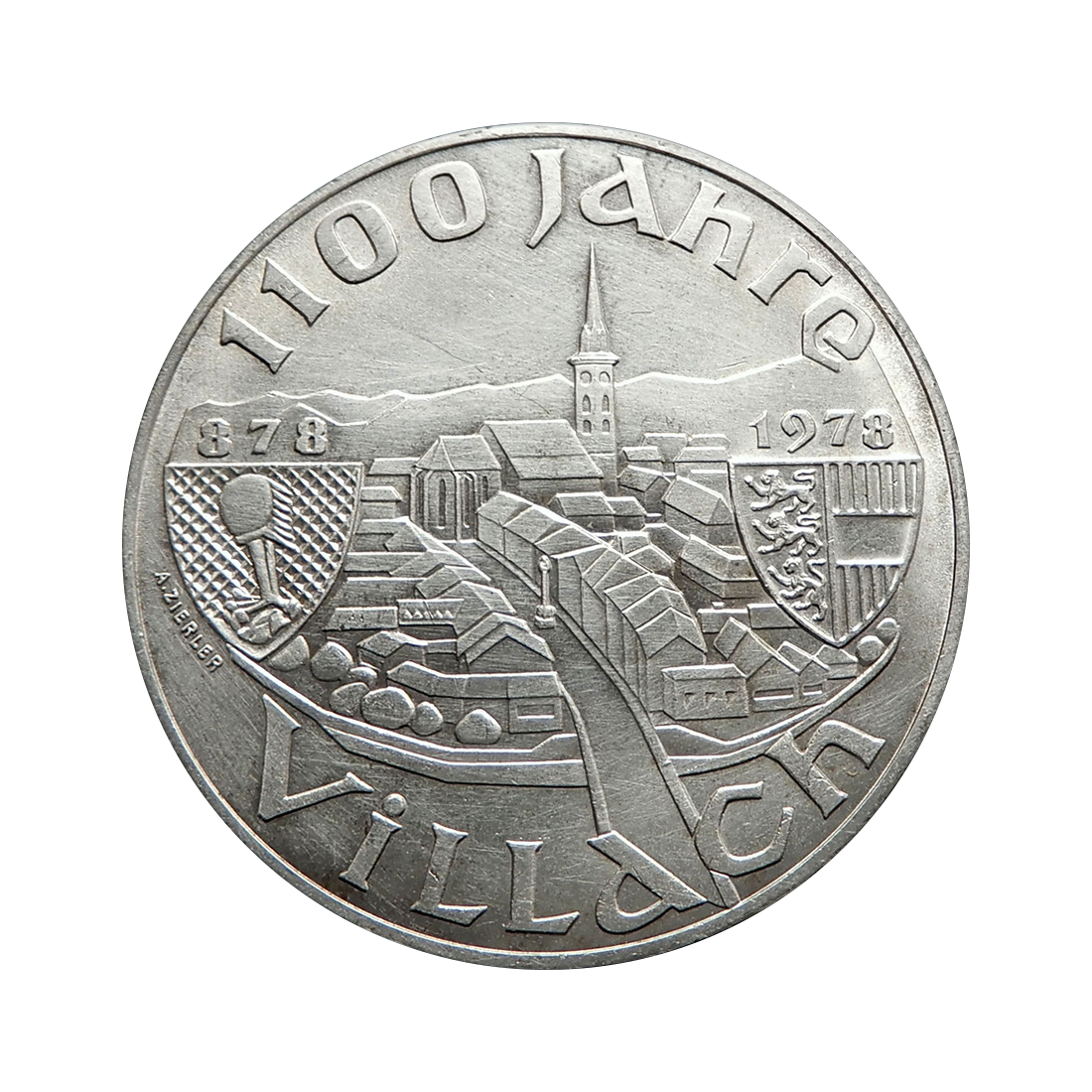
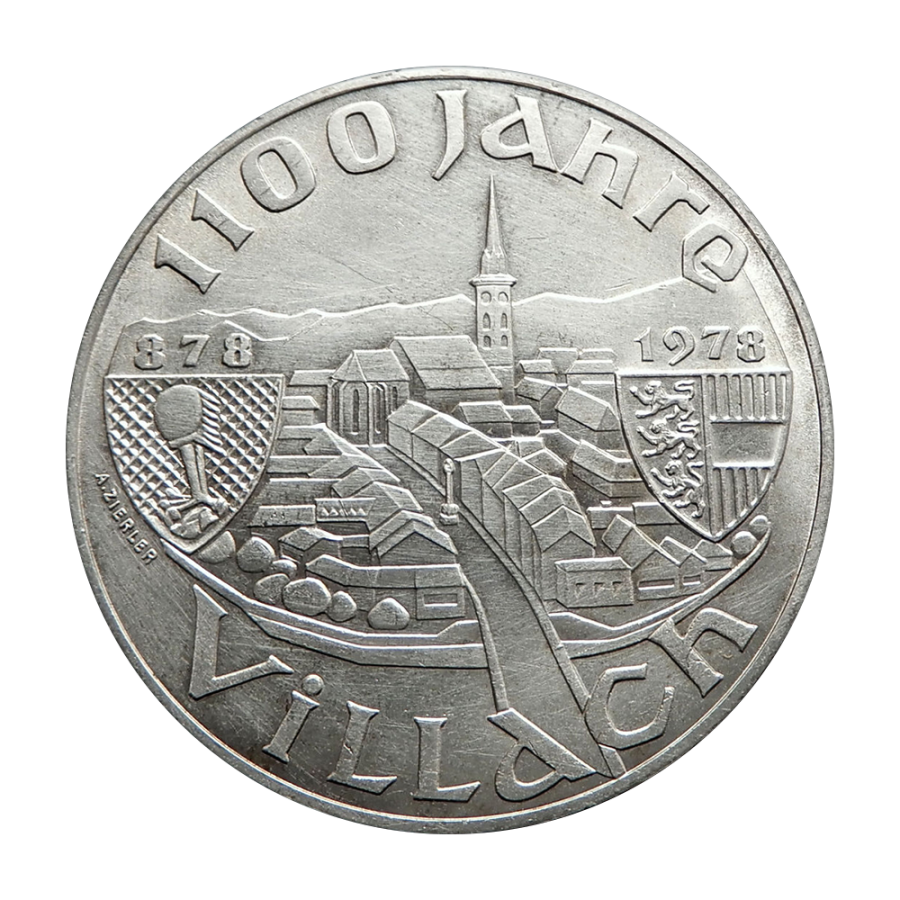
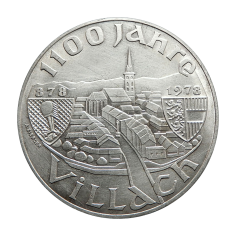
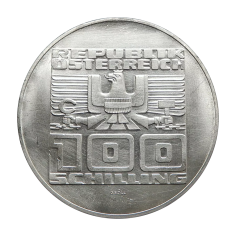
On the occasion of the 1100th anniversary of the city of Villach in 1978, the Austrian Mint issued a silver coin as a tribute to the rich history of this Alpine city. This special collector's edition was created not only as legal tender but primarily as a historical and cultural memento. The coin was minted both in a standard version and in high-quality proof finish, making it an attractive item for collectors and numismatics enthusiasts. The coin remained in circulation until the end of February 2002, when Austria transitioned to the euro currency. Today, this coin is not only a valuable keepsake but also an expression of respect for the heritage of one of Austria's oldest cities, whose history dates back to the 9th century.
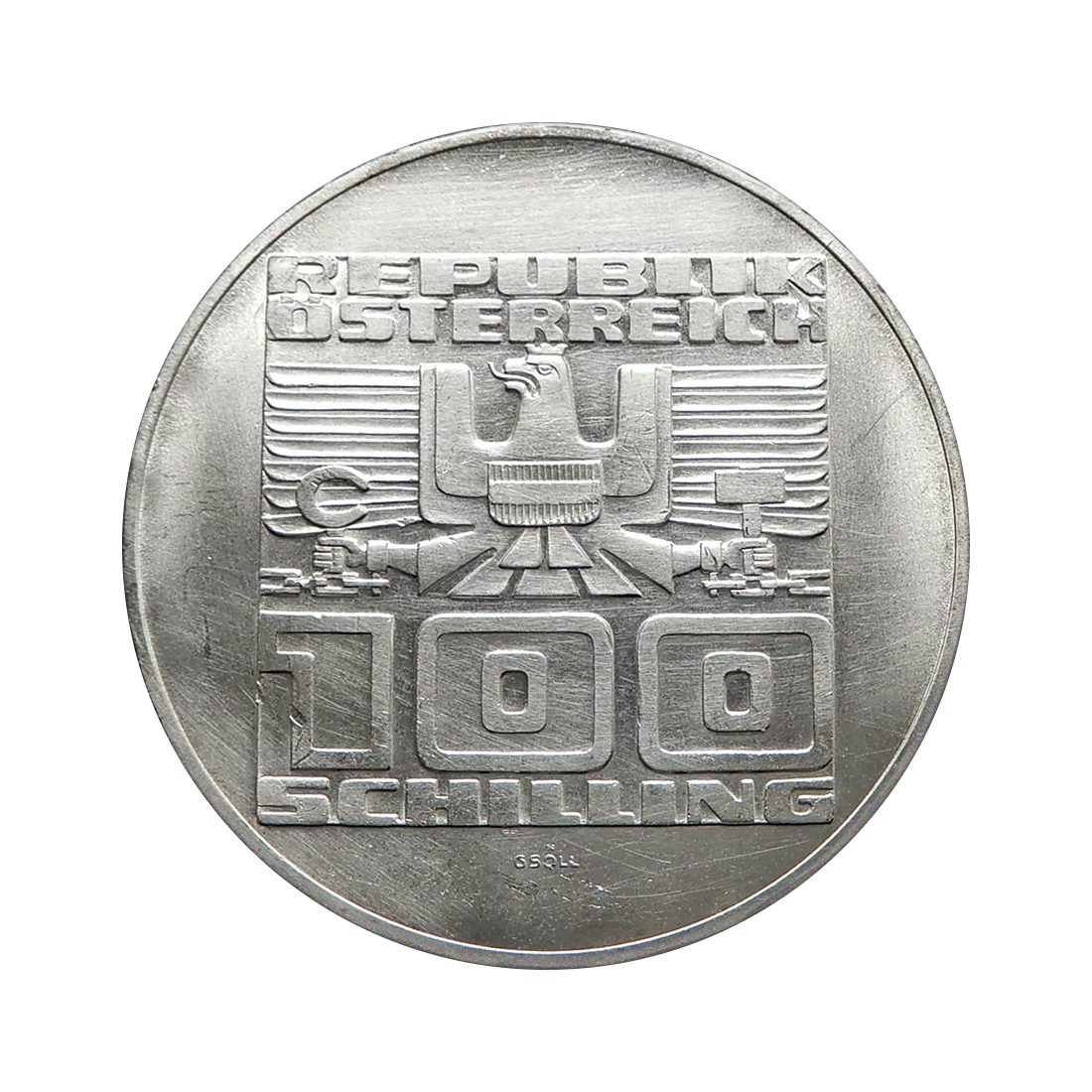
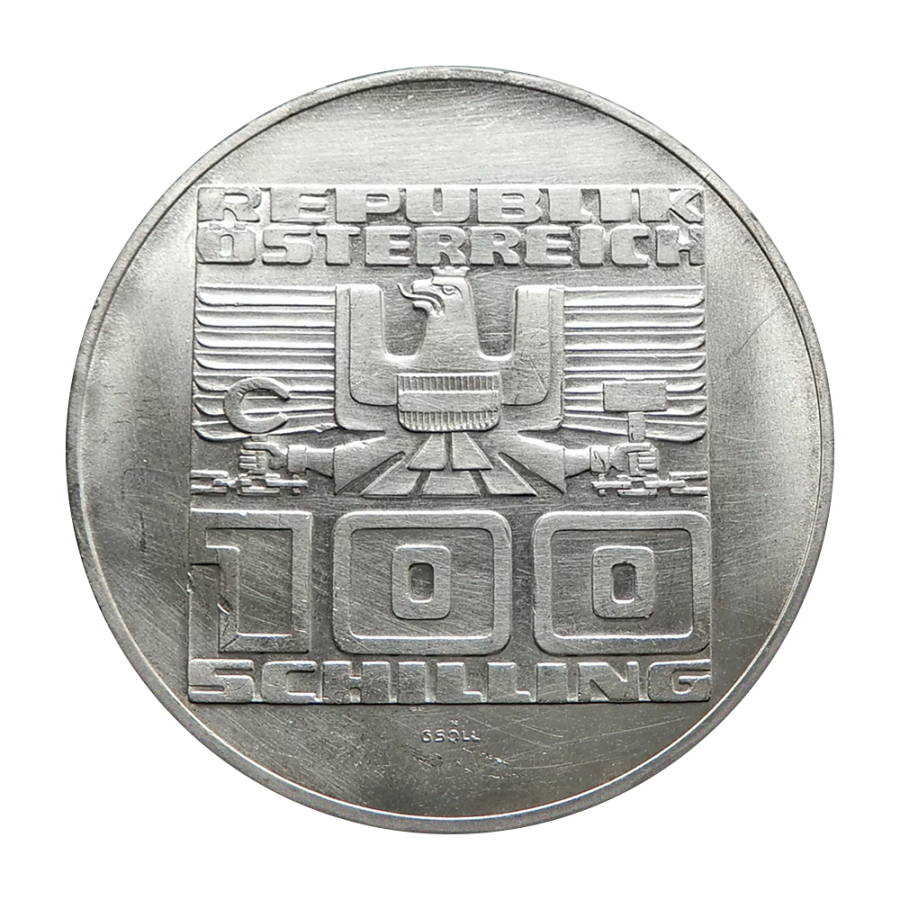
A classic, elegant design typical of Austrian numismatics from the late 20th century. The reverse, designed by Alfred Zierler, features an artistic and detailed composition. The main part is occupied by a panoramic view of the city of Villach with its characteristic buildings and mountains in the background. It is enriched with the city's coats of arms and an inscription commemorating the special anniversary. The richness of details and the depth of relief make the reverse a masterpiece of craftsmanship. Meanwhile, the central part of the obverse features the denomination, the name of the issuer, and its emblem. All these elements are framed within a square shape and displayed against a uniform background. The obverse design by Helmuth Gsöllpointner maintains a balance between simplicity and distinctiveness of form.
In 1978, on the occasion of the 1100th anniversary of the first historical mention of Villach, the Austrian National Bank issued a commemorative coin with a face value of 100 schillings. It was intended to honor the long and rich history of the city and its contribution to the development of Carinthia and all of Austria.
Villach is one of the oldest cities in southern Austria, located in Carinthia, near the borders with Italy and Slovenia. The first mention of it dates back to 878, when Emperor Charles the Bald donated the settlement to the monastery in Altötting, indicating its significance at the time. Thanks to its strategic location on trade routes and proximity to Alpine passes, Villach quickly developed as a center of trade and craftsmanship. In the Middle Ages, it obtained city rights and became an important hub of cultural exchange. The city underwent many transformations, from the earthquake in 1348, through the development of railways in the 19th century, to reconstruction after the destruction of World War II, while retaining its role as a key point in the region.
The coin was officially withdrawn from circulation on February 28, 2002, due to the replacement of the Austrian schilling by the euro. Since then, it no longer serves as legal tender but has gained value as a historical memento and collector's item.
The Austrian Mint was founded in 1194. Its establishment was made possible by the ransom paid for the release of King Richard the Lionheart, who was captured by Duke Leopold V during the Third Crusade. The mint plays a key role in Austrian history, producing coins used worldwide. Over the centuries, the mint has supplied coins for both local and international use.
One of the most famous products of the Austrian Mint is the Vienna Philharmonic coins, available in gold, silver, and platinum. These coins are highly popular among collectors and investors due to their high purity and intricate design, which depicts musical instruments of the Vienna Philharmonic Orchestra.
The Austrian Mint is a subsidiary of the National Bank of Austria. Since 1988, it has operated as a private company but remains owned by the central bank, ensuring its activities align with national economic policy. It adheres to the highest standards of quality and precision in coin production, and its products are known for their purity, detailed craftsmanship, and artistic value.