Description of the 65th Anniversary of the Warsaw Ghetto Uprising 200 PLN 2008 - 24h Shipping!
On April 15, 2008, the National Bank of Poland introduced a 200 PLN coin into circulation, made of gold using a proof stamp technology, commemorating the 65th anniversary of the Warsaw Ghetto Uprising. This is one of the most important and widely discussed events across generations of Poles.
The mintage of the coin is 12,000 pieces.
Appearance of the 65th Anniversary of the Warsaw Ghetto Uprising 200 PLN 2008 - 24h Shipping!
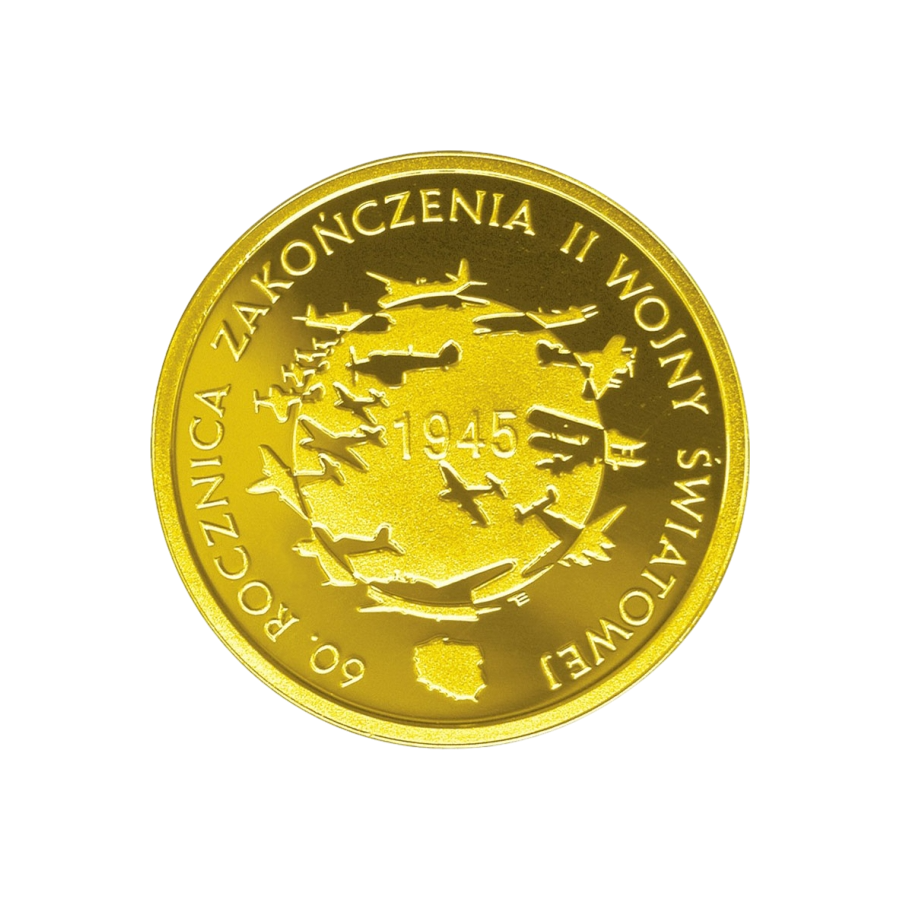
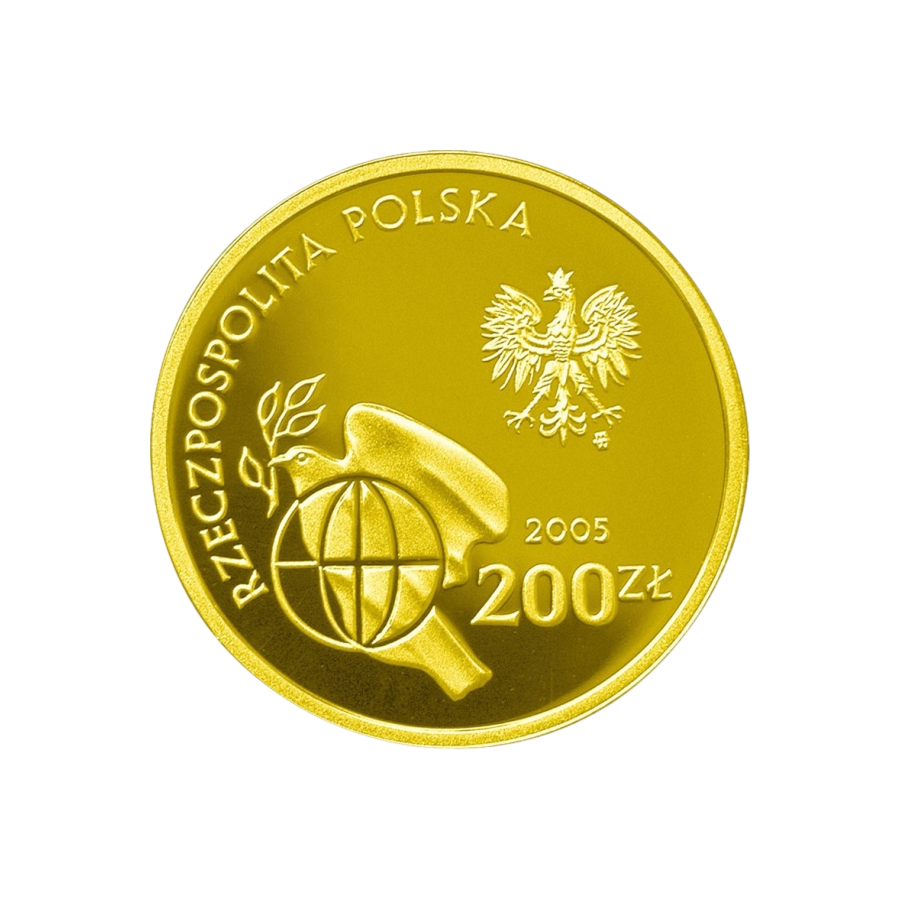
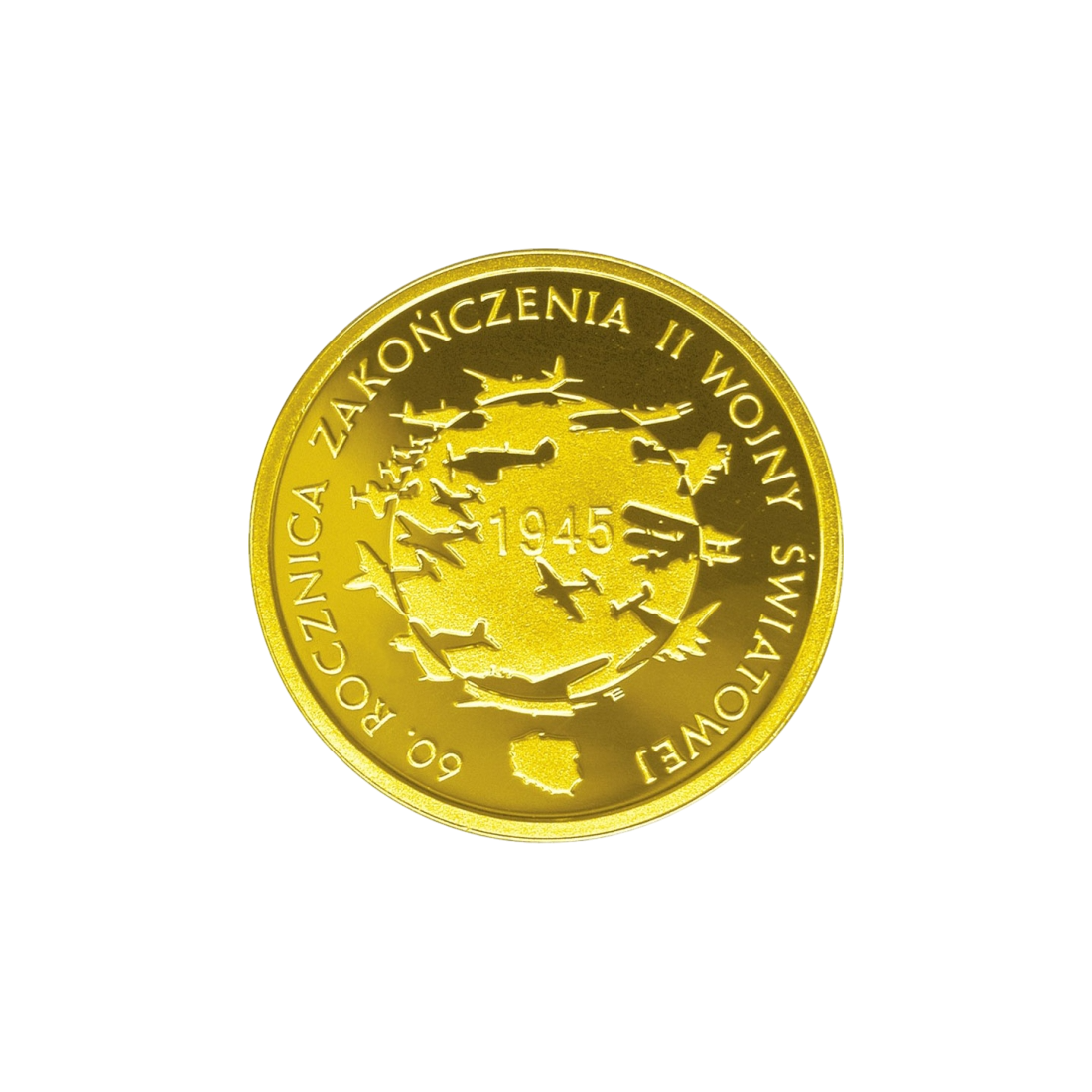
The reverse features an image of a man in a hat, partially obscured by a brick wall. The edge of the coin bears the inscription: 65TH ANNIVERSARY OF THE WARSAW GHETTO UPRISING.
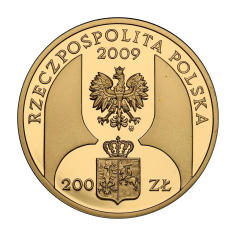
The obverse of the coin depicts the image of the eagle of the Republic of Poland against a background of a brick wall and a burning tenement house. Below it, the denomination of the coin and the mint mark: M/W can be seen. In the lower part of the coin, there is a semicircular inscription: RZECZPOSPOLITA POLSKA, year of issue: 2008.
Historical Background
The Warsaw Ghetto Uprising was the first urban armed revolt in Nazi-occupied Europe. The Warsaw Ghetto was the largest forced gathering of Jews. From the spring of 1940, the central area of Warsaw, designated by the Germans for Jews to live in, was gradually surrounded by a three-meter wall. On November 16, 1940, the ghetto was cut off from the rest of the city and completely closed. Over 360,000 people were concentrated in an area of 307 hectares, which constituted 1/3 of the city's population on just 2.5% of its territory. As a result of relocations from other cities, the number of those imprisoned in the ghetto increased to over 450,000, but gradually decreased as about 96,000 people died of starvation and disease. In the summer of 1942, the Germans deported and murdered nearly 300,000 people in the gas chambers at Treblinka.




 801 501 521